Key takeaways
- Start with how your product is packed, shipped and opened, not with the box name.
- Mailers suit e-commerce, gable and pillow boxes suit carry-out and gifting, rigid boxes suit premium products.
- Measure the product's inside dimensions and plan inserts at the same time as the style.
- A sample and a digital proof let you confirm the choice before a bulk order.
The right packaging starts long before artwork. It starts with a simple question: what does this box need to do? Some boxes travel through courier networks. Others sit on a shelf, get carried out of a bakery or are opened as a gift. Each job calls for a different structure.
This guide walks through the most common custom box styles, what each one does well, and a simple process for picking the one that fits your product, your brand and your budget.
Start with how your product is used
Before comparing styles, write down three things about your product. They will narrow your options faster than any style chart.
- How it travels. Will it be shipped to a customer, handed over a counter or displayed on a shelf?
- How fragile it is. Glass jars, cosmetics and electronics need more support than folded clothing.
- How it should feel to open. A subscription box, a gift and a refill pack all create different first impressions.
You do not need to know every option before contacting a packaging team. Share your product's size, weight and intended use, and ask for a recommendation.
The most common custom box styles
Mailer boxes
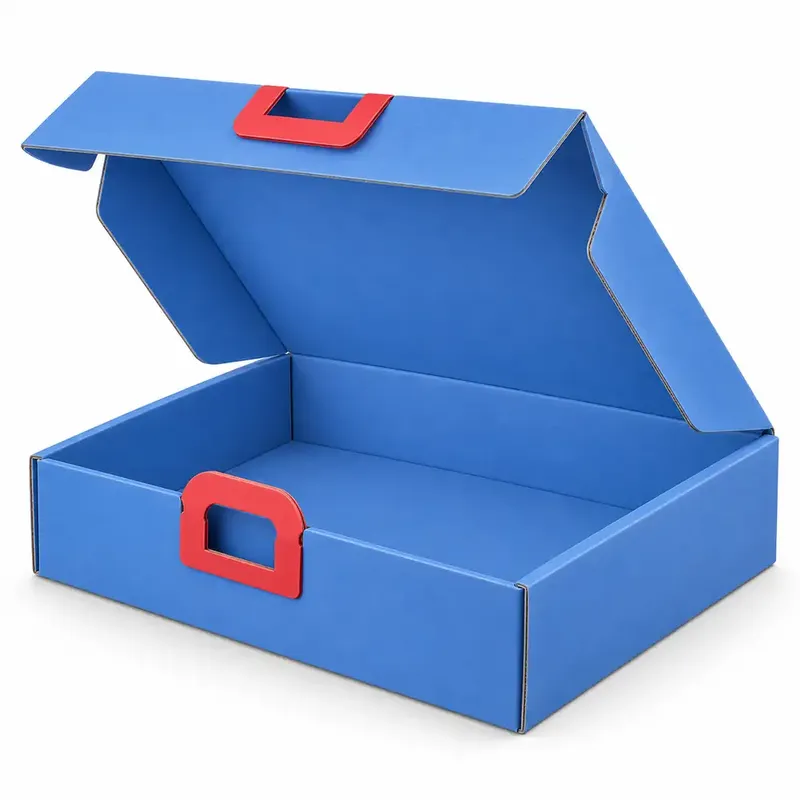
Mailer boxes are self-locking, usually made from corrugated board, and built to survive shipping without an extra outer carton. They are the go-to choice for e-commerce and subscription brands because they protect the product and still look good when opened. If you are weighing them against plain cartons, our guide to mailer boxes vs shipping boxes compares the two side by side.
Gable and pillow boxes
Gable boxes have a built-in handle, which makes them ideal for bakery items, party favours and carry-out gifts. Pillow boxes are curved, lightweight and best for small, flat items such as jewelry, soaps or gift cards.
Sleeve boxes
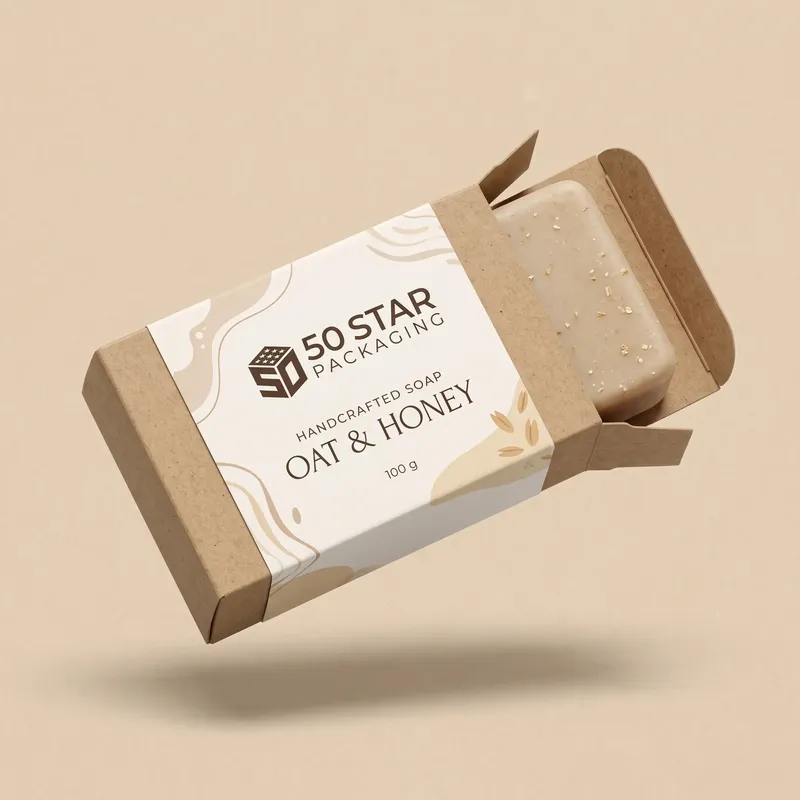
A sleeve slides over a tray or an inner box. It gives you a large printable surface and a satisfying reveal, which is why sleeves are popular for chocolates, soaps and limited editions.
Rigid boxes
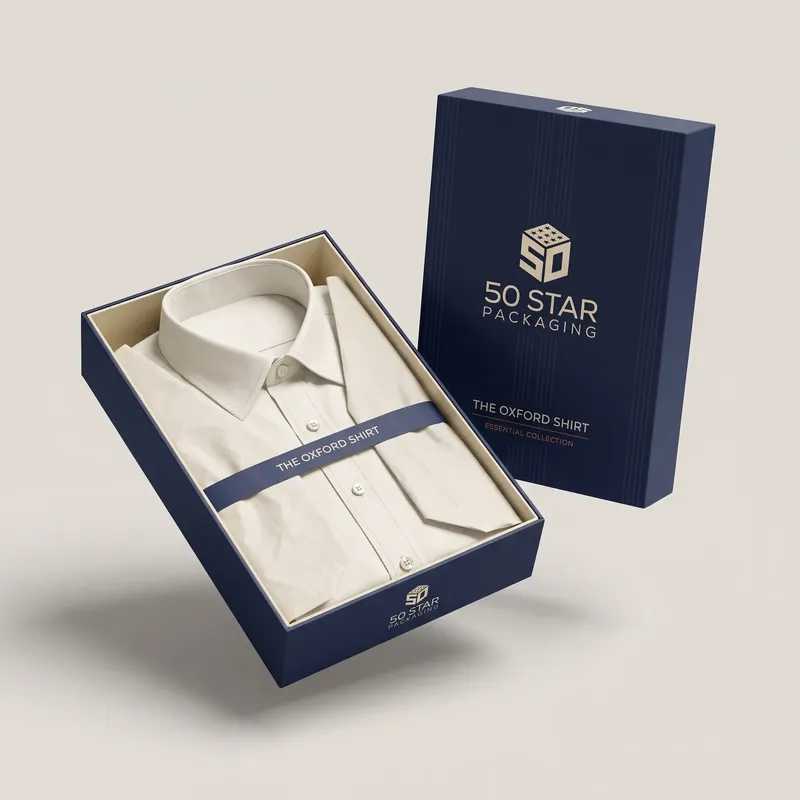
Rigid boxes are made from thick board that keeps its shape. They feel substantial in the hand and are used for luxury, gifting and keepsake packaging, where presentation matters as much as protection.

Quick comparison: which style fits which product?
| Box style | Best for | Main strength |
|---|---|---|
| Mailer box | E-commerce, subscriptions, apparel | Ships without an outer carton |
| Gable box | Bakeries, takeaway, party favours | Built-in carry handle |
| Pillow box | Jewelry, soaps, small gifts | Lightweight, eye-catching shape |
| Sleeve box | Chocolates, soaps, limited runs | Large print area, reveal effect |
| Rigid box | Luxury, gifting, keepsakes | Premium feel, holds its shape |
Still deciding between two styles?
Send us your product details and get a free quote within 10 minutes.
Match the material to the style
The same style can be made from different boards. A mailer in corrugated board is built for shipping strength, while a sleeve in kraft gives a natural, handmade look. For a deeper look at the options, read our kraft, corrugated or rigid material guide.
If your product needs extra support, plan inserts, dividers or cushioning at the same time as the outer box. It is easier to design the structure and the protection together than to add them later.
The best box is the one your customer never has to think about: it arrives intact, opens easily and looks like your brand.
50 Star Packaging Team
Measure before you choose a size
A beautiful box that is a few millimetres too tight is still the wrong box. Always measure the product, or the container it sits in, and record length, width and height in the same unit. If you are unsure, our team can check your dimensions before you order. Planning inserts? Our guide to inserts and dividers explains how they change the inside size.
Measuring the outside of an existing box instead of the product. Packaging dimensions are usually quoted as inside dimensions.
Confirm your choice with a sample and proof
Once you have a style in mind, two checks remove most of the guesswork:
- A physical sample lets you check the structure, material and presentation with your actual product.
- A digital proof lets you check artwork, wording and layout before production starts.
If you are starting small, our guide to launching with 50 boxes shows how to test a style before scaling up.
Frequently asked questions
Mailer boxes in corrugated board are the most common choice for shipping, because they are strong enough to travel without an extra outer carton.
Yes, but rigid boxes are usually placed inside a shipping carton to protect their finish in transit. They are best when the unboxing moment is part of the product.
Your product's dimensions, weight and intended use are enough to start. A packaging team can recommend a style, material and any inserts from there.